PROJECTS
Myeloid-derived suppressor cells and pregnancy
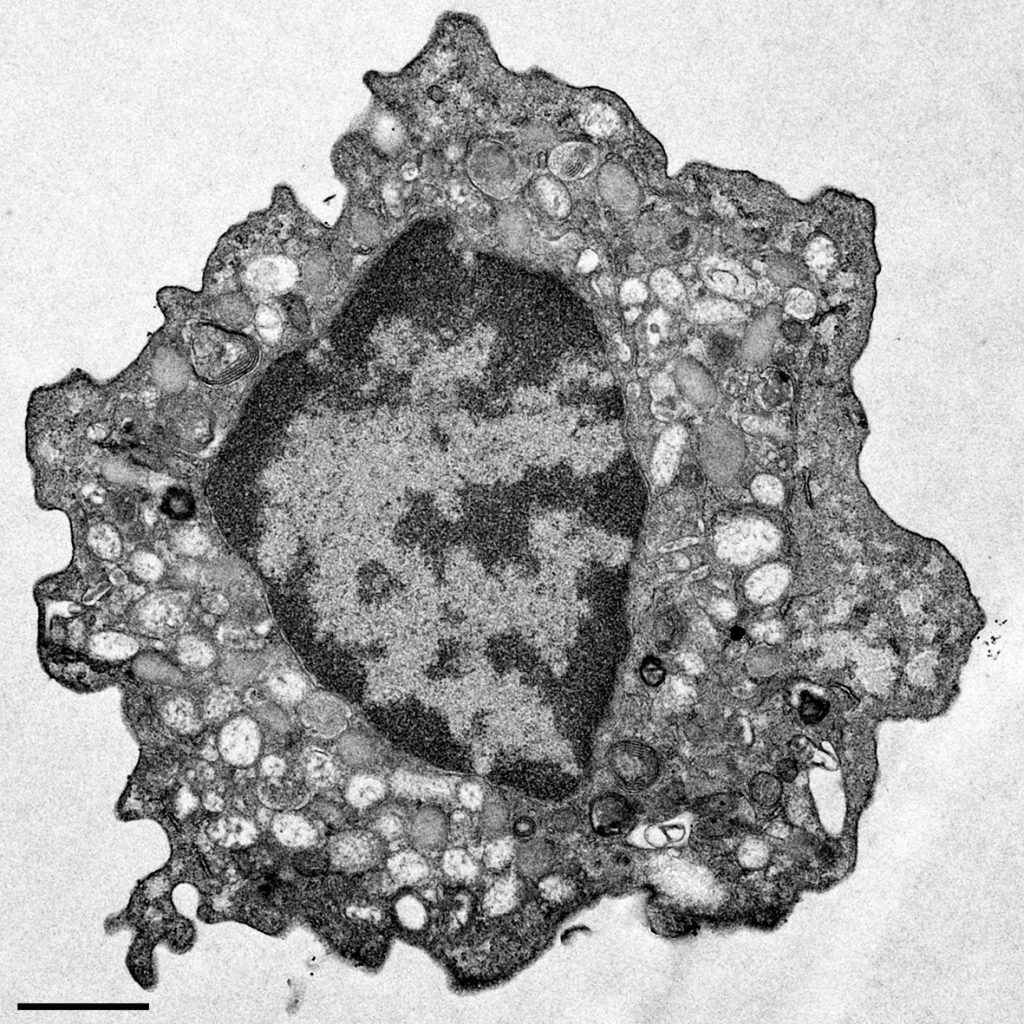
We investigate the role of myeloid-derived suppressor cells (MDSC) in physiological pregnancy and their contribution to pregnancy complications, with the aim of developing individualized therapeutic strategies.
MDSC extracellular vesicles
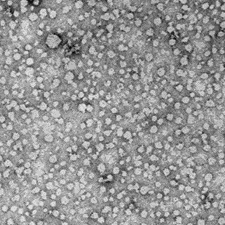
We have shown that extracellular vesicles derived from MDSCs exhibit functional properties similar to those of MDSCs themselves. We are currently working on generating MDSC-derived EVs in larger quantities and functionally modulating them with the aim of exploring their potential as a therapeutic.
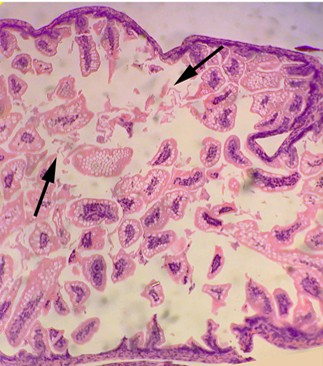
The role of neonatal neutrophilic cells for infection susceptibility and inflammation control in newborns
The functional properties of neutrophils differ markedly between adults and neonates. We investigate the role of neonatal neutrophil cells (NNC) in shaping immune responses in early life and aim to identify strategies to modulate their function in order to protect term and preterm infants from infection and hyperinflammation.
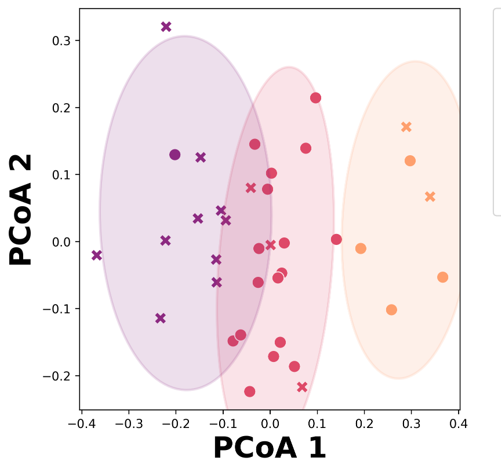
Microbiome-immune interaction during pregnancy
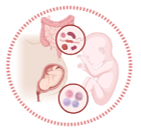
We aim to define how the intestinal microbiome shapes immune adaptation during pregnancy, ultimately enabling the development of microbiome-targeted strategies to prevent and treat immune-mediated pregnancy complications.
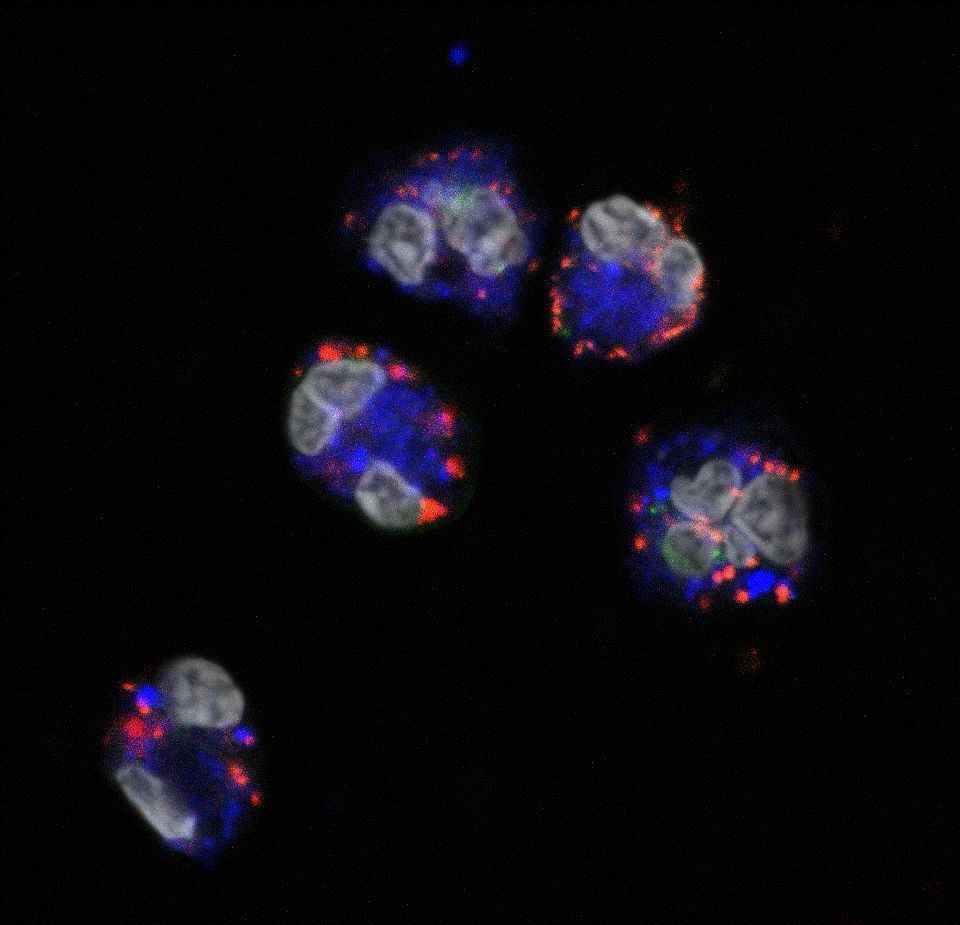
The role of neonatal neutrophilic cells for early metabolic programming
In this project we systematically investigate the interaction of NNC and MDSC in breast milk with the microbiome and their role for early metabolic programming and the development of obesity.
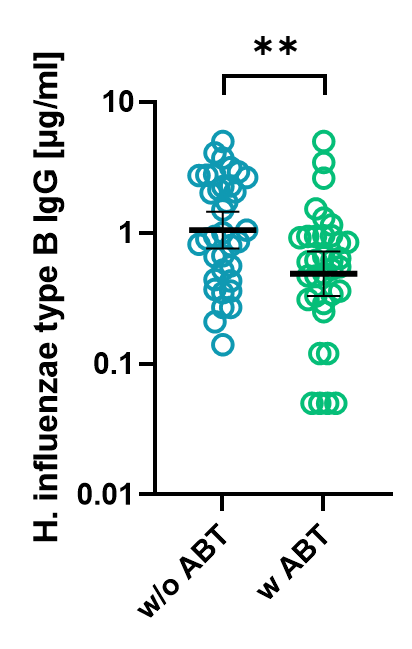
Impact of early antibiotic exposure on immune development
Up to nine out of ten preterm infants receive antibiotics within the first week of life. Although life-saving in the presence of infection, antibiotic exposure may have lasting effects on health. We investigate how early-life antibiotic exposure shapes immune development and contributes to the risk of inflammatory diseases in neonates and later in life.